
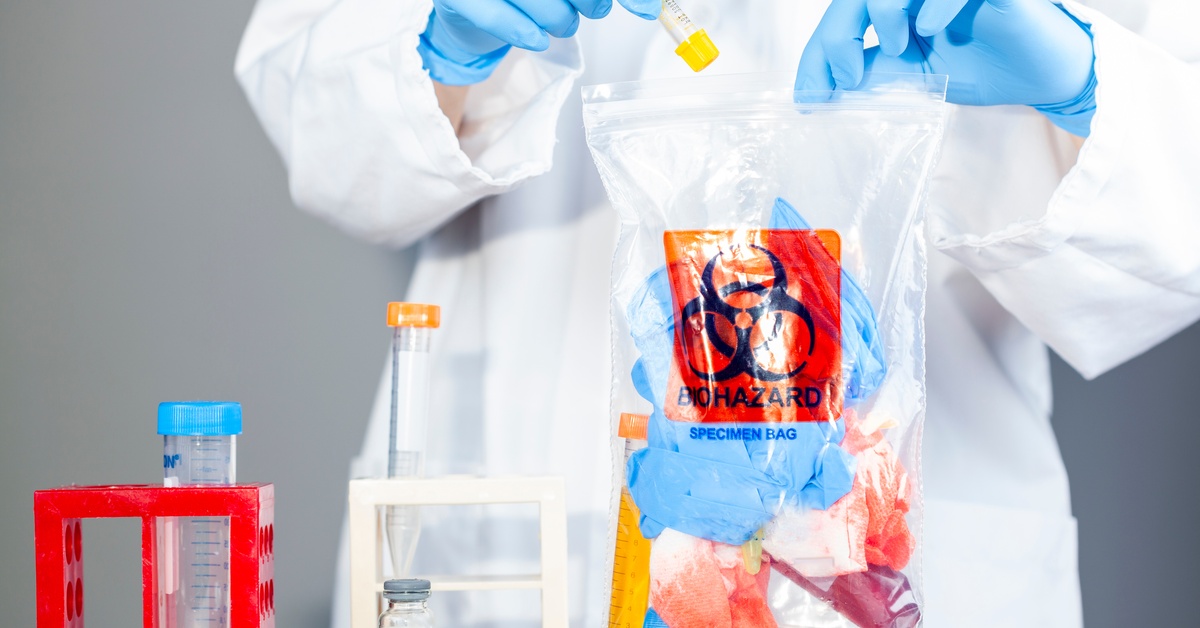
Blood spills are significant biohazards that require immediate, specialized attention after an accident, trauma, or medical emergency. Proper cleanup is crucial for ensuring public safety and preventing long-term health risks. This process involves biology, chemistry, and strict safety protocols. Ignoring these can lead to severe public health consequences and legal issues.
Understanding the science behind blood cleanup techniques reveals their critical nature. Blood is a biohazard carrying potential pathogens. Wiping away visible fluids doesn’t eliminate the microscopic threats left on surfaces. This article explores the scientific principles and procedures professionals use to restore safety to an environment after a blood spill.
Understanding Blood Composition and Hazards
Blood is a complex fluid that becomes a dangerous biohazard outside the body. It consists of red and white blood cells, platelets, and plasma. Once exposed to the environment, these components degrade, creating a breeding ground for bacteria and other microorganisms.
The main concern with blood spills is the pathogens they may carry. Bloodborne pathogens are infectious microorganisms in human blood that can cause diseases like hepatitis B (HBV), hepatitis C (HCV), and human immunodeficiency virus (HIV). These viruses can survive outside the body for varying periods, depending on environmental conditions.
Bacteria also pose a significant threat. As blood decomposes, it releases foul odors and attracts insects, which can spread contamination. Bacteria like Staphylococcus aureus (staph) can thrive in these environments. Understanding these biological hazards highlights the need for thorough disinfection, not just superficial cleaning.
The Risks of Improper Cleanup
Improperly cleaning blood exposes individuals to severe health risks. Direct contact with infected blood can transmit serious diseases, and even dried blood can retain infectious pathogens for days or weeks. For example, Hepatitis B can remain infectious on surfaces for at least seven days.
Improper cleanup also leaves invisible residues. Porous materials like carpet, wood, and drywall absorb fluids, allowing them to harbor pathogens and generate odors if not properly treated or removed. This hidden contamination poses a persistent threat.
Businesses and property owners also face major legal liabilities. Failure to follow proper cleanup protocols can lead to lawsuits and large fines from regulatory bodies for violating biohazard safety standards. A scientifically sound cleanup process protects against both health dangers and financial repercussions.
Personal Protective Equipment (PPE) Essentials
Protecting the person performing the cleanup is the first step in remediation. Personal Protective Equipment (PPE) creates a barrier between the biohazard and the cleaner, preventing direct contact with blood and inhalation of airborne pathogens.
Standard PPE for blood cleanup includes disposable nitrile or latex gloves, often double-layered for extra protection. Gloves should be changed frequently to prevent cross-contamination.
Respiratory protection, like face masks or respirators, is also crucial, along with eye protection such as goggles or face shields to prevent splashes. Full-body suits or gowns cover clothing and skin, preventing exposure for all parts of the body.
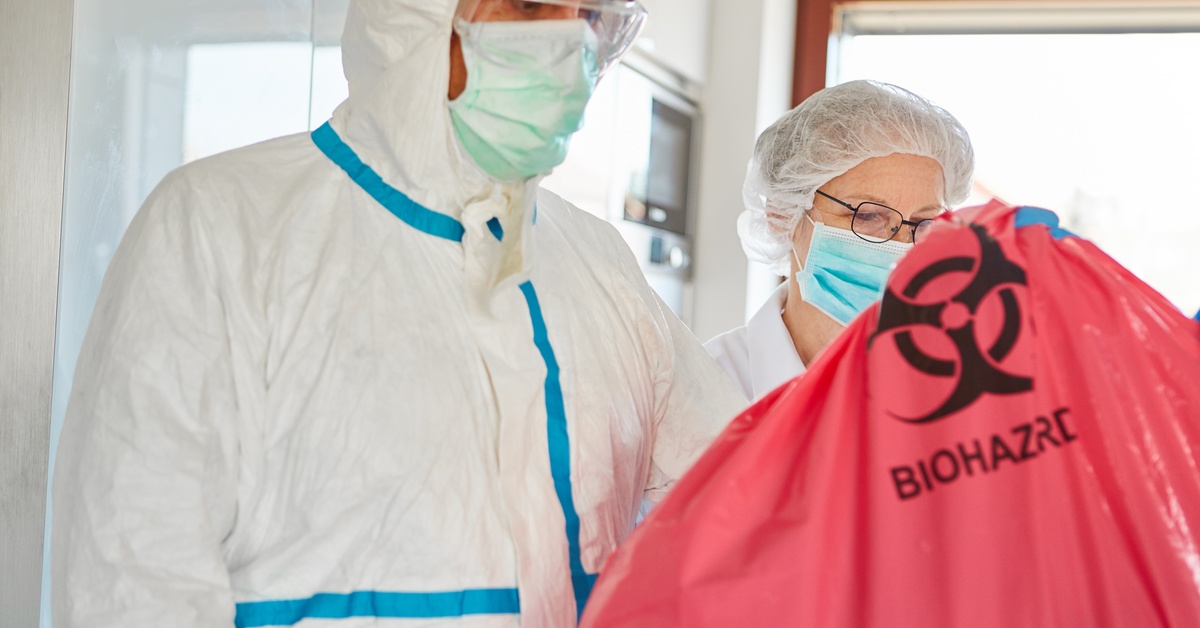
The Science of Professional Cleanup Processes
Professional blood cleanup follows a rigorous, scientific procedure. The first phase is containment, where technicians establish a control zone to prevent biohazards from spreading.
Next is the removal of visible biological material using specialized absorbent materials, handling all waste with extreme care. For porous materials that cannot be salvaged, such as saturated carpeting, professionals cut them away and dispose of them as biohazardous waste.
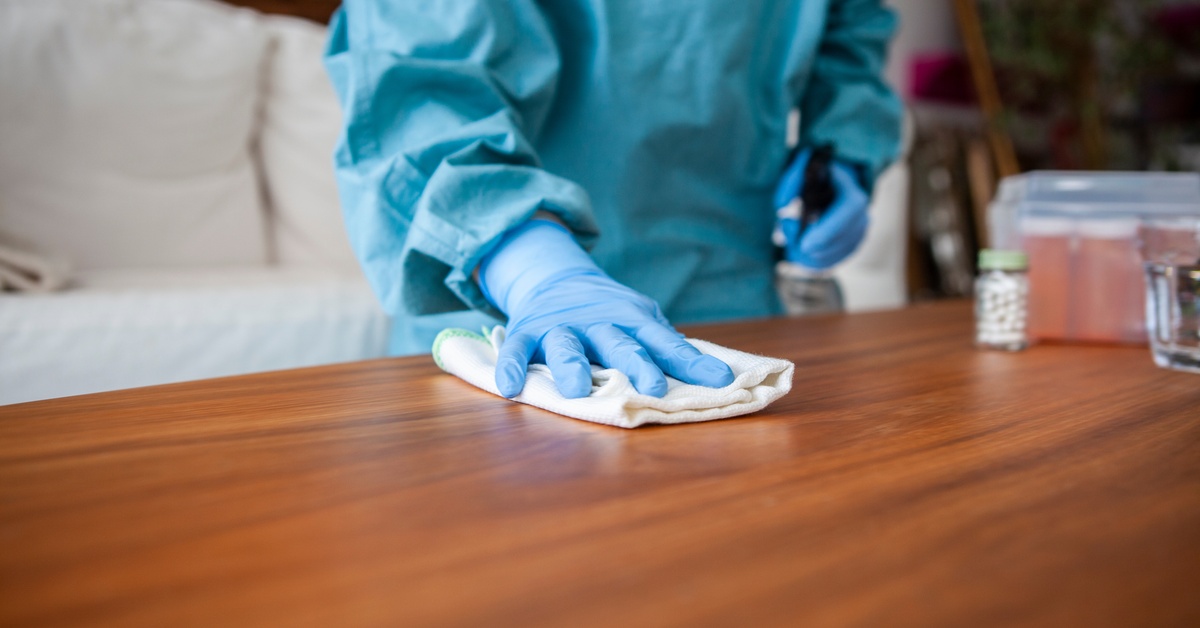
After removing visible matter, the process moves to deep cleaning and disinfection to target microscopic pathogens. Technicians apply EPA-registered, industrial-strength disinfectants and allow them to sit for a specific dwell time to ensure complete eradication of viruses and bacteria.
The final step is deodorization and verification. Professionals use ozone machines or hydroxyl generators to neutralize lingering odors at a molecular level. ATP testing, which measures cellular energy, verifies that surfaces are free of biological residue and safe for re-occupancy.
Choosing the Right Cleaning Agents
Selecting the correct chemical agents is a matter of chemistry. While standard household bleach is a common disinfectant, it’s not always the best choice as it can damage surfaces and produce toxic fumes. Professionals use hospital-grade disinfectants designed for biohazard remediation.
Enzyme cleaners are vital for breaking down the proteins in blood, which traditional cleaners often fail to dissolve. These solutions digest the organic matter, making it easier to remove, especially from porous surfaces.
The pH level of cleaning agents also affects their effectiveness. Technicians are trained to know which agents work best on different surfaces and for various levels of contamination, ensuring maximum pathogen destruction.
Legal and Regulatory Requirements
Strict regulations govern the cleanup of bodily fluids to protect workers and the public. The Occupational Safety and Health Administration (OSHA) sets federal standards for bloodborne pathogens, requiring employers to have exposure control plans and provide proper PPE and training.
The OSHA Bloodborne Pathogens Standard mandates universal precautions, meaning all human blood and certain body fluids are treated as infectious. Compliance is mandatory for professional cleanup operations.
Disposal regulations are also stringent. Cleanup crews must place biohazardous waste in designated red bags or sharps containers and transport them through licensed medical waste haulers according to state and local laws to prevent environmental contamination.
Why Professional Cleanup Services Are Necessary
While handling small spills independently might seem tempting, significant incidents require professional intervention. Biohazard remediation is more complex than standard janitorial services. Professionals have the training, equipment, and legal knowledge to handle these situations correctly, working with empathy and discretion.
Professional services ensure a level of cleaning impossible to achieve with household tools. They use industrial-grade chemicals and can identify hidden contamination under floorboards or behind baseboards, which is vital for restoring a property to a safe condition.
The psychological burden of cleaning up after a trauma is another reason to hire professionals. It allows family members or business owners to focus on healing, providing peace of mind that the environment is truly safe and clean.
If you face a situation involving blood or biohazards, don’t handle it alone. Contact Affinity Bio Solutions for expert assistance with bodily fluids and blood cleanup restoration. Our team of trained professionals can restore your property safely and discreetly.
Prioritizing Safety Through Science
The science behind blood cleanup illustrates the complexity and danger of biohazards. Effective remediation requires a deep understanding of biology, chemistry, and safety protocols—from the behavior of pathogens to the chemical reactions of cleaners.
Relying on professional services is the best way to ensure a safe and thorough cleanup. Experts bring the necessary tools, knowledge, and empathy to handle difficult situations effectively. By understanding the science behind the process, teams like ours at Affinity Bio Solutions can restore environments to safety and minimize health risks.