
Natural vs. Chemical Odor Removal Methods
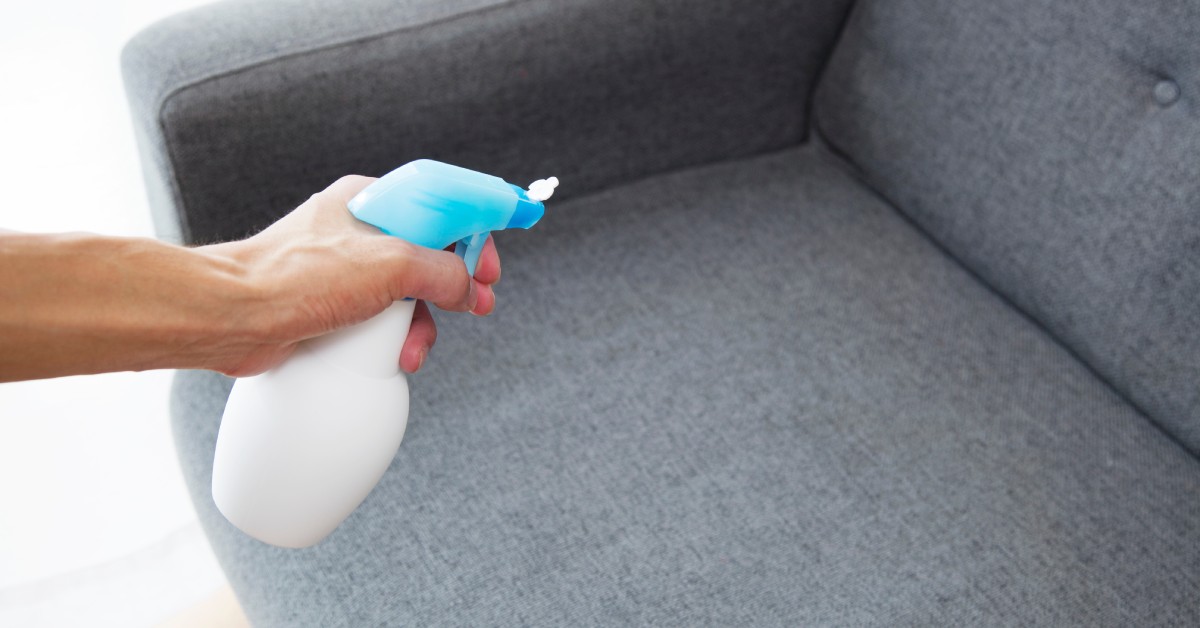
Odors after a fire, hoarding situation, decomposition, or biohazard event can linger for weeks because the source often penetrates porous materials. In professional odor remediation, focus on identifying where odor molecules live, not just where you smell them. It’s also important to understand the differences between natural versus chemical odor removal methods and which to choose.
Why Odors Persist After Biohazard and Smoke Events
Odors bind to drywall, subfloor, insulation, fabrics, and HVAC components, then re-release when temperature or humidity changes. Smoke residues also contain sticky particulates that spread throughout a structure and continue to off-gas. If you skip source removal and rely on surface treatments, the smell usually returns.
Natural Odor Removal Methods and Where They Work
Natural options such as ventilation, humidity control, absorbents, and enzyme-based treatments can help when odor intensity stays low and contamination does not penetrate deeply. These methods support early-stage odor control during cleanup, especially when you can remove the source material quickly. They also work well as follow-up steps after professional remediation to keep the space stable and dry.
Natural methods struggle when porous building materials hold residues or when biological contamination drives the odor. In those situations, air movement alone cannot break molecular bonds, and absorbents only mask the problem. If you notice strong recurrence after cleaning, you likely need a deeper process.
Chemical Methods and Professional-Grade Remediation
Chemical approaches target odor molecules directly through oxidation, encapsulation, and specialized disinfectants designed for remediation environments. Technicians use these methods after thorough source removal, detailed cleaning, and containment measures that protect unaffected areas. Pair chemical treatments with HEPA filtration and controlled air exchanges to reduce both odor and particulate load.
A qualified smoke remediation company also addresses soot films, char, and hidden residues inside cavities and HVAC pathways. Chemical processes can neutralize odor faster, but they require correct product selection, dwell time, and safety controls. When technicians rush steps or use the wrong chemistry, the odor can persist or materials can discolor.
Choosing the Right Approach for Your Property
Start with a professional assessment when you smell odor across multiple rooms, notice staining, or experience headaches or irritation. Those signs often point to widespread residue or microbial growth that needs structured remediation. Property managers also benefit from documentation and consistent procedures that support tenant turnover and insurance communication.
The best results come from combining methods in the right order: remove the source, clean every impacted surface, then neutralize what remains. That plan protects indoor air quality and reduces the risk of repeat visits. It also shortens downtime for families and businesses that need normal operations.
Affinity Bio Solutions for Odor Remediation
Remember the differences between natural and chemical odor removal methods and when to call in the experts. If you need professional odor remediation in Phoenix or across Maricopa and Pinal Counties, contact Affinity Bio Solutions for a fast, compassionate response. Our team will evaluate the source, determine the most effective options, and restore your space to a safe, livable condition.