
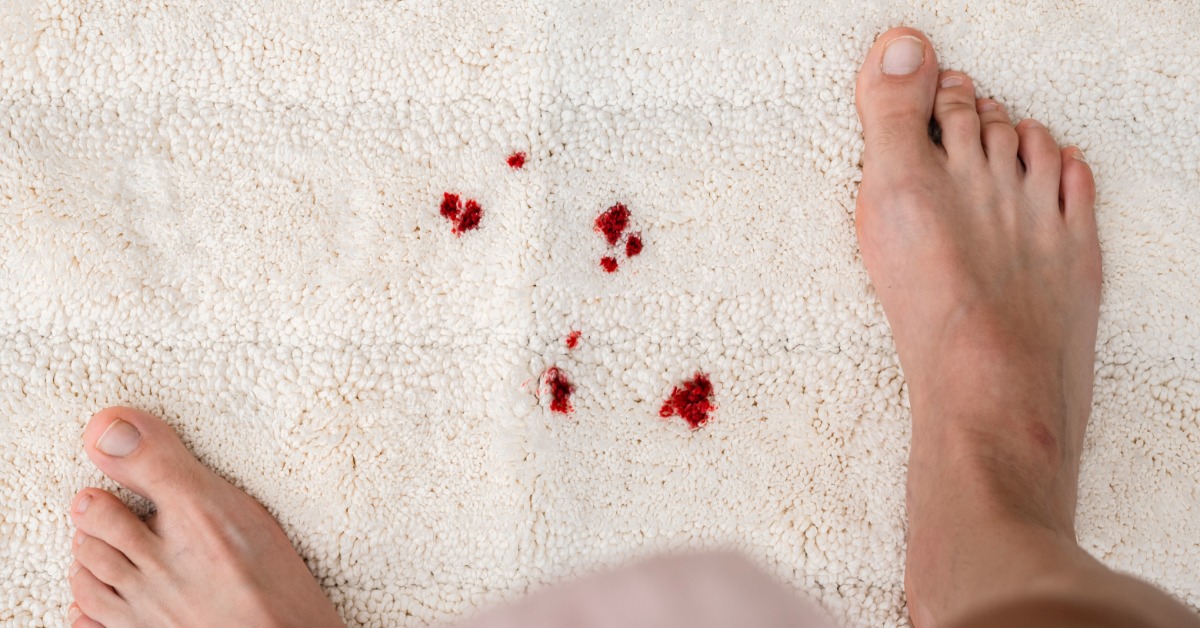
Blood biohazards require more than basic household cleaning. Homeowners may face serious health risks when blood or bodily fluids affect flooring, walls, furniture, personal belongings, or structural materials. This is because blood hazards have a risk of secondary exposure. Keep reading to learn more about how to keep yourself safe.
What Secondary Exposure Means
Secondary exposure occurs when a person contacts bloodborne pathogens indirectly after an incident. Contaminated surfaces can transfer biological material to another area. Common surfaces prone to contamination include:
- cleaning cloths
- shoe soles
- gloves
- trash bags
- personal items
Blood can enter tiny seams, cracks, grout lines, carpet backing, baseboards, and subflooring. Standard cleaning products may remove visible staining, but they aren’t enough to eliminate pathogens or contaminated residue below the surface.
Why Blood Creates Biohazard Concerns
Blood can carry pathogens that create health concerns after trauma, injury, unattended death, assault, or self-harm incidents. These hazards require careful containment, proper disinfectants, correct dwell times, and regulated disposal practices.
Homeowners often underestimate how quickly contamination can spread during cleanup attempts. Hand-cleaning and moving affected items can increase the contaminated area and create unnecessary contact risks.
Common secondary exposure risks can include:
- Contact with contaminated towels, mops, or sponges
- Tracking blood residue through hallways or entryways
- Handling porous items that absorbed fluids
- Touching improperly bagged waste
- Breathing odors from decomposing biological material
Why Household Cleaning Falls Short
Household cleaners do not always meet the requirements for biohazard remediation. A surface may look clean after wiping, but pathogens from proteins and fluids can remain in porous materials or hidden layers.
Professional biohazard cleanup companies use personal protective equipment, containment methods, hospital-grade disinfectants, and detailed removal procedures. Trained technicians also identify materials that require disposal instead of surface cleaning.
Home Conditions Can Add Risk
Arizona heat can accelerate odor development and biological breakdown after a blood contamination event. Warm indoor spaces, closed rooms, and delayed cleanup can make conditions worse, especially when blood reaches carpet padding, upholstery, or drywall.
Dust, tile grout, porous stone, and air conditioning movement can also complicate cleanup. A professional assessment helps determine whether contamination stayed in one area or spread through airflow or foot traffic.
Safe Response After a Blood Incident
Homeowners should avoid direct contact with blood and affected materials. Children, pets, visitors, and unprotected adults should stay away from contaminated rooms until trained professionals complete remediation.
A professional team documents affected areas, removes unsalvageable materials, disinfects exposed surfaces, controls odor, and prepares waste for proper disposal. This process reduces the risk of secondary exposure due to blood biohazards and supports a safer return to the property.
Professional Help Protects Health and Property
Blood biohazards can create risks long after visible stains disappear. Affinity Bio Solutions provides blood clean up services for Arizona homeowners who need safe, discreet, and technically sound biohazard remediation.
For help after trauma, injury, unattended death, or another blood contamination event, contact Affinity Bio Solutions for professional cleanup support.