

Vehicles contain many porous materials that can trap biological contaminants after an accident, injury, illness, or other contamination event. Seats and carpeting can absorb fluids quickly, which makes surface cleaning unreliable for serious biohazard concerns.
Affinity Bio Solutions provides professional biohazard cleanup services across Arizona, so we understand the complex details of cleaning vehicle seats and other porous materials. Keep reading to learn why it is so difficult to clean seats and padding due to biohazard penetration.
Why Vehicle Interiors Absorb Biohazards So Quickly
Vehicle seats use layered materials that serve comfort and support for hours on the road. Fabric, leather seams, vinyl edges, foam cushions, padding, and under-seat insulation can all create pathways for contamination.
Liquids do not stay on the visible surface when movement and heat affect the seat. A person sitting, shifting weight, or leaning against contaminated upholstery can push fluids deeper into stitching and foam.
How Seat Fabric Allows Contamination to Spread
Cloth upholstery contains woven fibers that can hold moisture between threads. Once biological material reaches those fibers, the material can move sideways across the seat surface and downward into the cushion.
Fabric also creates more surface area than smooth vinyl or leather. That added texture can hold residue and microscopic contaminants that cause odor even after a wipe-down.
Why Seams and Stitching Create Hidden Pathways
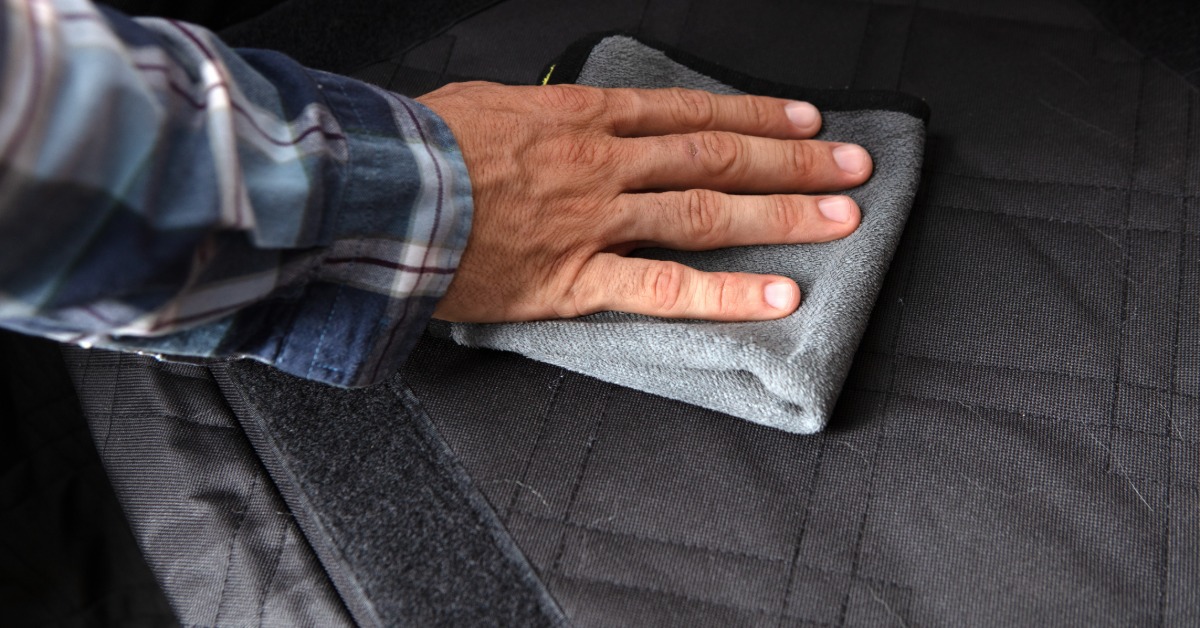
Seams often create the fastest route into vehicle padding. Stitch holes, folded material, piping, and cushion edges can allow liquid to bypass the main upholstery surface.
Even leather or vinyl seats can allow penetration through seams and cracks. Perforated seats create many small openings that can send contamination directly into the padding beneath the surface.
How Foam Padding Traps Contaminants
Seat foam can absorb and hold liquid below the upholstery layer. Once fluids enter foam, basic cleaning products cannot reliably reach every contaminated pore or compressed area.
Foam also compresses during use and expands after pressure stops. That movement can pull contaminated liquid inward and then release odor over time, especially inside hot vehicles.
Heat and Enclosed Spaces Increase Odor Problems
Arizona heat can make vehicle contamination worse. High interior temperatures can intensify odor and push odors into carpeting, vents, headliners, and nearby soft materials. Closed vehicles also limit airflow. Odor can concentrate inside the cabin and attach to porous surfaces long after the visible stain looks dry.
Common Areas Where Biohazards Spread in Vehicles
Biohazards rarely stay in one obvious spot inside a vehicle. Contamination can move into nearby materials through gravity, pressure, capillary action, and contact transfer.
Common affected areas include:
- Seat cushions and seat backs
- Seat seams, stitching, and bolsters
- Carpeting and floor padding
- Seatbelt webbing and buckles
- Center consoles and trim gaps
- Door panels and storage pockets
- Under-seat wiring covers and rails
Each area requires careful inspection before cleanup begins. Missing a hidden contaminated section can leave odor and safety concerns behind.
Why Surface Cleaning Does Not Solve Deep Contamination
A surface cleaner can remove visible staining from upholstery, but visible improvement does not confirm full decontamination. Biohazard cleanup requires access to contaminated materials, proper disinfectants, safe removal methods, and regulated disposal practices when affected materials cannot remain.
Household cleaners can also spread contamination when scrubbing pushes fluids into seams or surrounding fabric. Some products can mask odor temporarily while contaminated foam, padding, or carpet backing continues to hold residue.
Seatbelts Need Special Attention
Seatbelts can absorb biological material into tightly woven webbing. The belt may look clean after wiping, but the fibers can still hold contamination along the length of the strap. Buckles and retractors also create difficult access points. Contamination can enter crevices around the latch or cover opening, which requires detailed inspection and targeted cleaning.
Electrical and Mechanical Components Add Complexity
Modern vehicles contain wiring, sensors, heated seat components, airbags, and electronic modules near or inside seats. Cleanup technicians must account for these systems before applying moisture, disinfectants, or removal methods.
Incorrect cleaning can damage components or create new safety issues. Professional vehicle biohazard remediation focuses on both contamination control and protection of vehicle systems during the process.
How Professionals Evaluate Vehicle Seat Contamination
A professional assessment starts with the contamination source, affected materials, and likely travel path. Technicians inspect visible staining, seams, cushion edges, carpet transition points, and surrounding interior surfaces.
The evaluation also considers odor, material type, amount of contamination, and time since the event. These details help determine whether cleaning or replacement offers the safest result.
Why Proper Disinfection Requires the Right Products
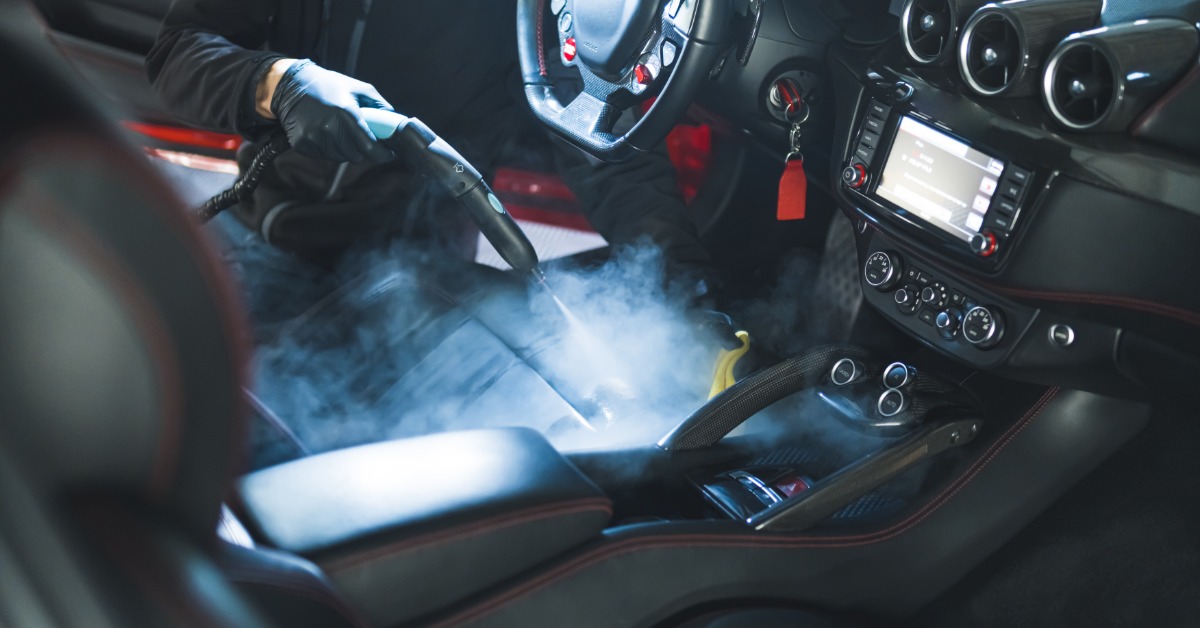
Biohazard cleanup requires disinfectants that match the material, contamination type, and required contact time. A product must stay wet on the surface long enough to work, and technicians must use it according to label directions. Using the wrong product can damage upholstery or fail to address the hazard. Professional cleanup teams use appropriate equipment and chemicals to disinfect and complete remediation services effectively.
Odor Control Requires Source Removal
Odor treatment must focus on the contamination source. Air fresheners, sprays, and quick detailing services can cover odors briefly, but contaminated padding can continue releasing odor when the cabin heats up.
Effective odor control may require cleaning, disinfecting, removing affected porous materials, and treating surrounding surfaces. The goal involves addressing the source rather than covering the smell.
Safety Matters During Vehicle Biohazard Cleanup
Biohazard cleanup can involve exposure risks during inspection, handling, removal, and disposal. Personal protective equipment and proper waste handling reduce those risks. A professional cleanup service also helps prevent cross-contamination. Equipment and removed materials must stay controlled so contamination does not spread to clean vehicle areas or disposal locations.
Why Local Vehicle Owners Should Act Quickly
A fast response can reduce odor and improve the chance of restoring affected materials. Delays allow fluids to dry deeper in foam and create stronger odors inside the vehicle.
Arizona vehicle owners, families, property managers, and collision centers benefit from prompt, professional support after a vehicle contamination event. Affinity Bio Solutions emphasizes fast response, safety measures, lawful requirements, and experienced cleanup service across the local service area.
Call Affinity Bio Solutions for Vehicle Biohazard Remediation
Vehicle seats and padding can hide penetrated biohazards long after the surface appears clean. Professional inspection and remediation help protect health, reduce odor, and address contamination in the materials that standard detailing cannot reach.
For prompt vehicle biohazard remediation in Phoenix, Scottsdale, Glendale, Maricopa County, Pinal County, and nearby Arizona communities, contact Affinity Bio Solutions. The team provides experienced biohazard cleanup, bodily fluid cleanup, odor removal, and related remediation services with a professional, safety-focused approach.